
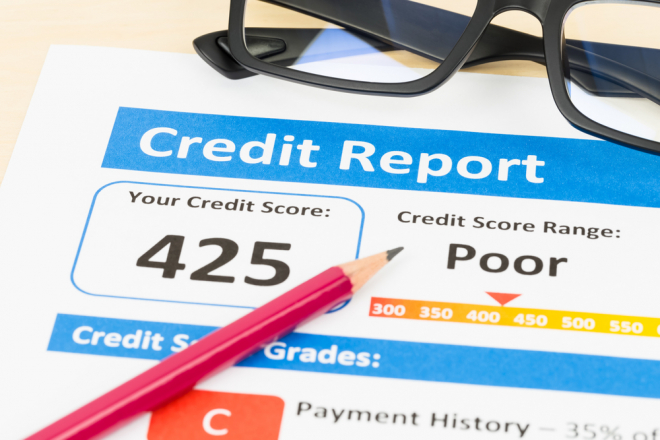
Credit challenges do not always mean refinancing is impossible. They do mean the refinance has to be reviewed carefully. In Ohio, many homeowners ask about refinancing after missed payments, high credit card balances, medical collections, divorce, job changes, or a period when money was simply tight. The right answer depends on the full file, not just one credit score.
Western Ohio Mortgage looks at refinance questions through the same practical lens we use with purchase borrowers: what problem are we solving, what has changed since the credit issue, and does the new loan leave the homeowner in a better position? A refinance should not be used just to reset debt without a plan. It should create a clearer payment path, improve the mortgage structure, or help the borrower handle a specific financial goal.
What lenders review beyond the score
Credit score matters, but it is not the whole file. Lenders also review mortgage payment history, income stability, debt-to-income ratio, available equity, property value, loan type, and the reason for refinancing. A homeowner with lower credit but strong equity and stable income may have a different path than a homeowner with recent late mortgage payments and limited equity.
The timing of credit events matters too. A collection from several years ago that has been addressed is different from new missed payments last month. If the refinance is meant to consolidate debt, the lender will also look at whether the new payment is realistic and whether the borrower has stopped relying on revolving credit.
Reasons to refinance with imperfect credit
- Payment stability: Moving from an adjustable or temporary payment structure into a more predictable mortgage may be worth reviewing.
- Debt consolidation: A refinance may reduce monthly debt pressure, but it also secures more debt against the home.
- Mortgage insurance review: Some borrowers refinance to change loan type or evaluate whether mortgage insurance can be removed.
- Cash flow after hardship: A homeowner recovering from a temporary setback may need a structure that fits the current budget.
- Co-borrower or income change: A refinance may reflect a household change, divorce decree, inheritance, or new employment pattern.
How to prepare before a bad-credit refinance conversation
Start by gathering the current mortgage statement, homeowners insurance amount, property tax estimate, recent pay stubs, W-2s or tax returns if self-employed, and a list of debts. Then be ready to explain recent credit issues honestly. A clear explanation does not erase a credit event, but it helps the loan team understand whether the issue is resolved or still active.
It also helps to avoid new credit applications, large unsourced deposits, and major purchases while reviewing refinance options. The file can change quickly if new debt appears or cash movement cannot be documented. If you are paying down cards to improve the file, ask which accounts and balances matter most before moving money around.
Which refinance options might be reviewed?
The answer depends on the existing loan type and the goal. Some borrowers are reviewing a conventional refinance. Some may already have an FHA or VA loan and need to see whether a program-specific refinance makes sense. Some are not ready to refinance today but can build a plan for the next 60 to 180 days.
Our Ohio refinance loans page explains the broader reasons homeowners refinance. If you are trying to decide whether the timing is right, review the questions on our common refinance questions page before starting the conversation.
When waiting may be the better move
Sometimes the best refinance advice is to wait and improve the file. If a mortgage late payment is too recent, if the estimated home value does not leave enough equity, or if the new payment does not create enough benefit, forcing a refinance can be counterproductive. A short preparation plan may create more options than applying immediately.
How to compare the numbers
The cleanest comparison is not just the advertised rate. Ask for the estimated new principal and interest payment, escrow change, mortgage insurance impact if any, cash due at closing, and total loan amount after costs are included or paid. Then compare that with the current mortgage and the realistic time you expect to keep the home.
For Ohio homeowners, property taxes and insurance can materially affect the monthly payment. A refinance that looks attractive on principal and interest alone may feel different once escrow is rebuilt or adjusted. That is why Western Ohio Mortgage reviews the full payment and cash-flow picture before recommending a direction.
Documents that make the review smoother
- Current mortgage statement and payoff estimate if available.
- Most recent homeowners insurance declaration page.
- Recent pay stubs, W-2s, tax returns, or business returns depending on income type.
- Two months of bank or asset statements if reserves or cash to close matter.
- A short explanation of the refinance goal, such as payment reduction, cash out, term change, debt consolidation, or loan-type change.
Having these items ready does not force you to apply. It simply makes the first review more accurate. A loan officer can identify whether the refinance is worth a full application, whether another product should be compared, or whether waiting would create a better file.
Credit-improvement steps that usually matter most
Not every credit action has the same impact. Paying a small old collection may not help as much as reducing a high-limit credit card. Opening a new card to improve available credit may create a hard inquiry or lower the average age of accounts. Closing accounts can also backfire. Before making big moves, it is usually better to let the loan team identify what the automated underwriting or lender review is most likely to care about.
For many refinance files, the strongest improvement is a clean recent payment history. Keep the current mortgage, auto loans, and revolving accounts paid on time. If there is a temporary hardship in the past, be prepared to explain what changed and why the new payment is sustainable.
Ohio examples where a refinance plan can help
A homeowner in western Ohio may have strong equity because home values rose, but a credit score that still reflects an old hardship. Another homeowner may have good income now but high revolving debt from a period of unemployment. A third may have an FHA or VA loan and need to compare program-specific refinance options before assuming conventional is the only path.
Each file needs a different plan. One borrower may benefit from paying down two cards before applying. Another may need to document a resolved collection. Another may be ready now because the credit score is imperfect but the mortgage history, income, and equity are strong. The review should turn a vague "bad credit" concern into a practical next-step list.
What a good refinance outcome looks like
- The new payment is sustainable, not merely approved.
- The reason for refinancing is clear and documented.
- The costs make sense for how long the homeowner expects to keep the property.
- The borrower understands whether debt is being moved, reduced, or extended.
- The loan leaves enough room for taxes, insurance, maintenance, and savings.
Bottom line
You may be able to refinance with bad credit, but the goal should be a better mortgage plan, not just a new loan. Western Ohio Mortgage can review the credit picture, equity position, and reason for refinancing so you know whether to apply now, wait, or take specific steps first.